Description
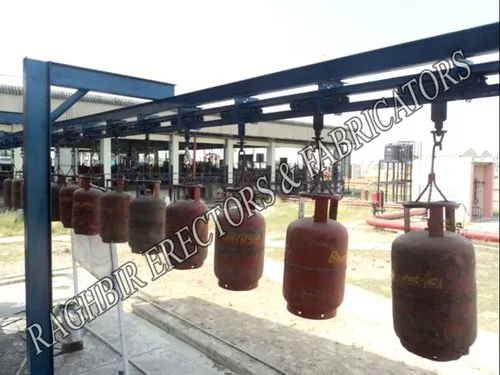
A Mono Rail Overhead Conveyor is a compact and efficient material handling system designed to transport products along a single, continuous overhead rail. This system is ideal for industries that require smooth, controlled, and space-saving movement of components, assemblies, or finished goods across different production stages.
Mono rail overhead conveyors are widely used in automotive plants, paint shops, powder coating lines, garment industries, warehouses, and manufacturing units due to their flexibility and cost-effective operation.
What Is a Mono Rail Overhead Conveyor?
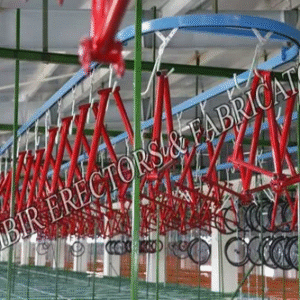
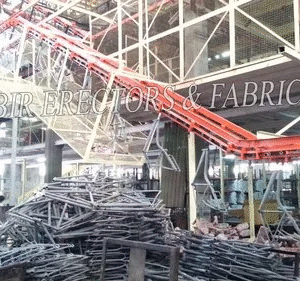
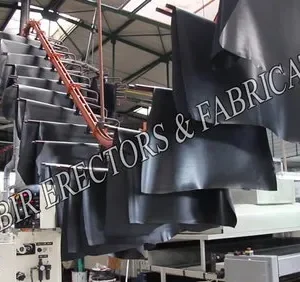
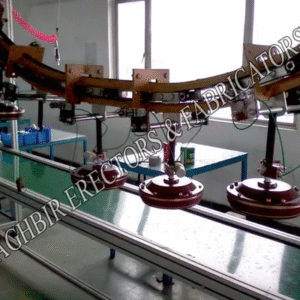
A Mono Rail Overhead Conveyor System operates on a single-track rail mounted to the ceiling or a supporting structure. Products are suspended from trolleys or hangers that move along the rail, allowing for horizontal, curved, inclined, and vertical transportation without occupying floor space.
Key Features of Mono Rail Overhead Conveyor
-
Single-rail overhead design for maximum space utilization
-
Smooth and continuous material movement
-
Strong and durable industrial construction
-
Flexible track layouts with curves and inclines
-
Suitable for light to medium load applications
-
Low maintenance and energy-efficient operation
Applications
-
Automotive component handling
-
Paint shop and powder coating lines
-
Garment hanging and sorting systems
-
Warehouse and logistics operations
-
Manufacturing and assembly lines
Advantages of Mono Rail Overhead Conveyor Systems
-
Saves valuable floor space
-
Improves production flow and efficiency
-
Reduces manual handling and labor costs
-
Enhances workplace safety
-
Easy integration with existing systems
Why Choose a Mono Rail Overhead Conveyor?
A mono rail overhead conveyor system is an ideal choice for businesses looking for a simple, reliable, and cost-effective overhead material handling solution. Its modular design allows easy expansion and customization to match changing production requirements.
Conclusion
The Mono Rail Overhead Conveyor offers a smart and efficient way to transport materials overhead while optimizing space and productivity. With flexible layouts and dependable performance, it is a preferred solution for modern industrial environments.